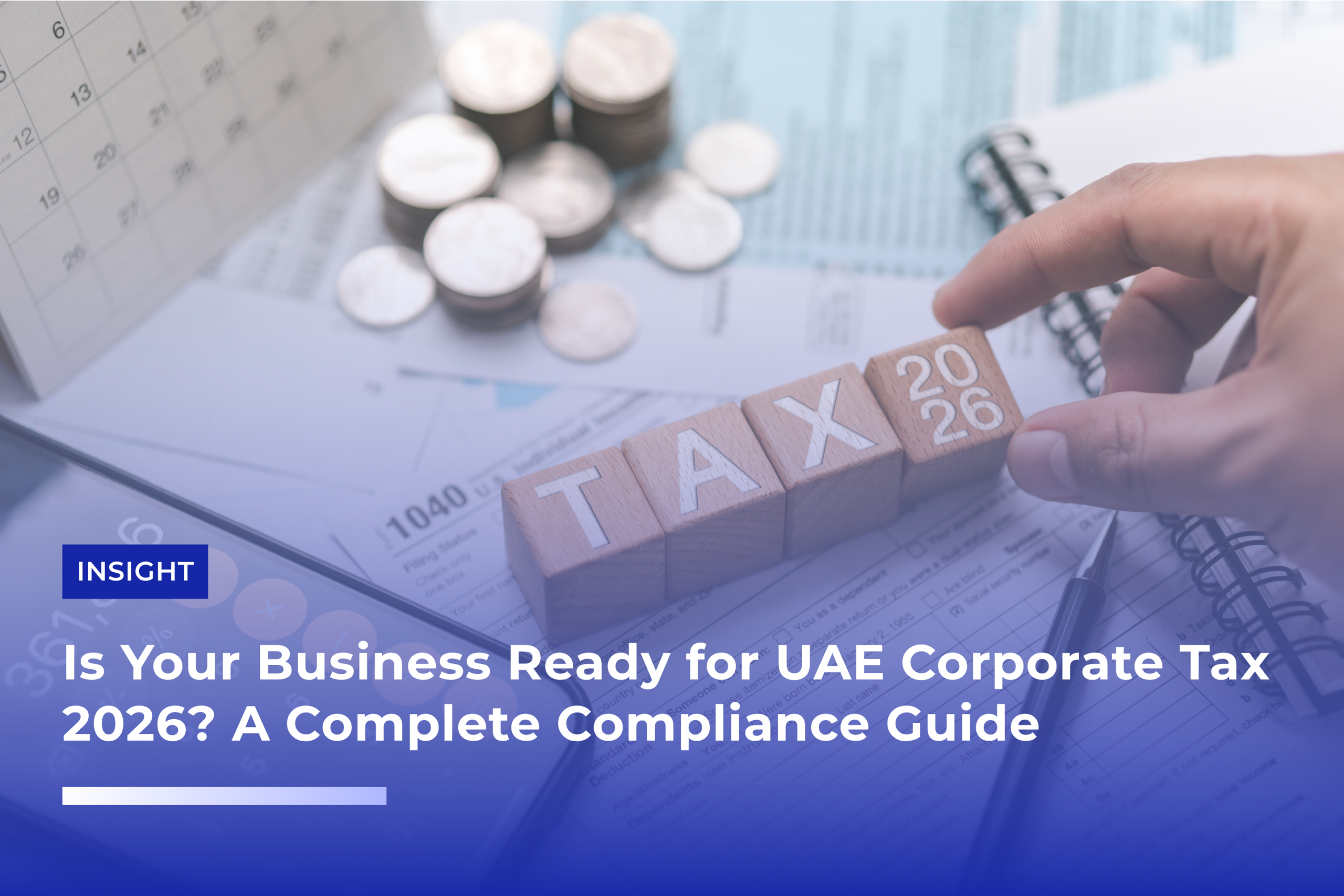
The UAE has entered a new era of business regulation with the introduction of Corporate Tax. While the country’s competitive tax environment continues to attract entrepreneurs and global investors, businesses must now meet structured tax obligations to remain compliant.
Many companies assume that registering for Corporate Tax is enough. However, true compliance goes far beyond registration. Businesses must maintain accurate financial records, understand taxable income, file returns on time, and comply with the requirements set by the Federal Tax Authority.
As 2026 approaches, every business should assess whether its accounting systems, internal processes, and tax governance are ready for ongoing compliance.
This guide explains everything businesses need to know to prepare for UAE Corporate Tax in 2026, avoid penalties, and build a strong compliance framework.
What Is UAE Corporate Tax?
Corporate Tax is a direct tax imposed on the taxable profits of eligible businesses operating in the UAE.
The Corporate Tax regime is administered by the Federal Tax Authority, which oversees registration, filing, audits, and compliance.
The objective of Corporate Tax is to:
- Strengthen financial transparency
- Align the UAE with international tax standards
- Support sustainable economic growth
- Enhance investor confidence
Although the UAE remains a highly attractive business destination, companies must now treat tax compliance as an essential part of daily operations.
Which Businesses Must Comply with UAE Corporate Tax?
Corporate Tax applies to many businesses operating in the UAE, although eligibility depends on factors such as business activity, legal structure, and taxable income.
Businesses That May Be Subject to Corporate Tax
- Mainland companies
- Free zone businesses (subject to applicable rules)
- Limited liability companies (LLCs)
- Foreign companies with a taxable presence in the UAE
- Sole establishments conducting qualifying business activities
Each business should assess its specific obligations based on the latest tax regulations.
Why Corporate Tax Compliance Matters
Avoid Financial Penalties
Failure to meet Corporate Tax obligations may result in administrative penalties, late filing charges, and additional compliance actions.
Protect Business Reputation
Strong tax governance demonstrates financial responsibility to investors, banks, and business partners.
Support Long-Term Business Growth
A compliant tax framework reduces operational risk and allows businesses to focus on expansion with confidence.
Key Corporate Tax Compliance Requirements
Corporate Tax Registration
Eligible businesses must complete Corporate Tax registration with the Federal Tax Authority within the applicable deadlines.
Registration alone does not complete compliance—it is only the first step.
Accurate Financial Record Keeping
Businesses should maintain complete accounting records, including:
- Financial statements
- Sales invoices
- Purchase records
- Bank statements
- Expense documentation
- Supporting contracts
Well-maintained records simplify tax reporting and reduce audit risks.
Timely Corporate Tax Filing
Registered businesses must submit Corporate Tax returns within the prescribed deadlines.
Late filing may result in penalties and increased scrutiny from the tax authority.
How to Prepare Your Business for Corporate Tax 2026
Review Your Accounting System
Ensure your accounting software can:
- Generate accurate financial reports
- Track taxable income
- Maintain audit-ready records
- Support Corporate Tax reporting
Modern accounting systems significantly improve compliance.
Assess Your Tax Position
Businesses should understand:
- Whether they are subject to Corporate Tax
- Applicable exemptions or incentives
- Taxable income calculations
- Available deductions under UAE tax regulations
Professional tax advice is recommended where necessary.
Strengthen Internal Financial Controls
Implement procedures for:
- Expense approvals
- Invoice management
- Record retention
- Financial reporting reviews
Strong internal controls reduce reporting errors.
Common Corporate Tax Compliance Mistakes
Assuming Registration Is Enough
Many businesses believe that completing registration satisfies all tax obligations.
In reality, businesses must also maintain ongoing compliance through proper accounting, reporting, and filing.
Poor Financial Record Management
Incomplete or inaccurate records increase the likelihood of audit findings and reporting errors.
Missing Filing Deadlines
Late Corporate Tax returns may result in financial penalties.
Incorrect Tax Calculations
Errors in determining taxable income can create significant compliance issues.
Ignoring Regulatory Updates
Corporate Tax regulations continue to evolve, making regular review essential.
How Corporate Tax Impacts Daily Business Operations
Corporate Tax affects more than just the finance department.
Finance Teams
Must maintain accurate accounting and reporting systems.
Management
Needs greater visibility into financial performance and tax planning.
Operations
Should ensure documentation supports all business transactions.
Business Owners
Must incorporate tax planning into long-term business strategy.
Corporate Tax has become an organisation-wide responsibility.
How Technology Supports Corporate Tax Compliance
Modern businesses increasingly rely on digital systems to simplify tax management.
Useful Technology Includes
- ERP platforms
- Cloud accounting software
- Automated invoice management
- Financial reporting tools
- Document management systems
Technology improves accuracy, efficiency, and audit readiness.
Why Businesses Should Conduct a Corporate Tax Readiness Assessment
A readiness assessment helps identify gaps before filing obligations arise.
Key Areas to Evaluate
- Accounting systems
- Financial records
- Tax registration status
- Internal controls
- Documentation processes
- Reporting capabilities
Early assessment reduces compliance risks and prevents last-minute challenges.
The Role of Professional Tax Consultants
Corporate Tax legislation can be complex, particularly for businesses with diverse operations.
Professional consultants can assist with:
Corporate Tax Registration
Helping businesses complete registration correctly.
Compliance Reviews
Assessing current processes and identifying improvement opportunities.
Tax Return Preparation
Supporting accurate calculations and timely filing.
Audit Readiness
Preparing businesses for potential reviews by the Federal Tax Authority.
Professional guidance often reduces errors and improves long-term compliance.
Conclusion: Corporate Tax Compliance Is Essential for Business Success
Corporate Tax has fundamentally changed the way businesses manage financial reporting and regulatory compliance in the UAE. Preparing for 2026 requires more than completing registration—it demands accurate accounting, organised documentation, timely filing, and strong internal governance.
Businesses that begin preparing early will reduce compliance risks, avoid unnecessary penalties, and strengthen their financial operations.
By investing in proper systems, reviewing tax readiness, and seeking expert guidance where necessary, companies can approach Corporate Tax with confidence and continue growing in one of the world’s most dynamic business environments.