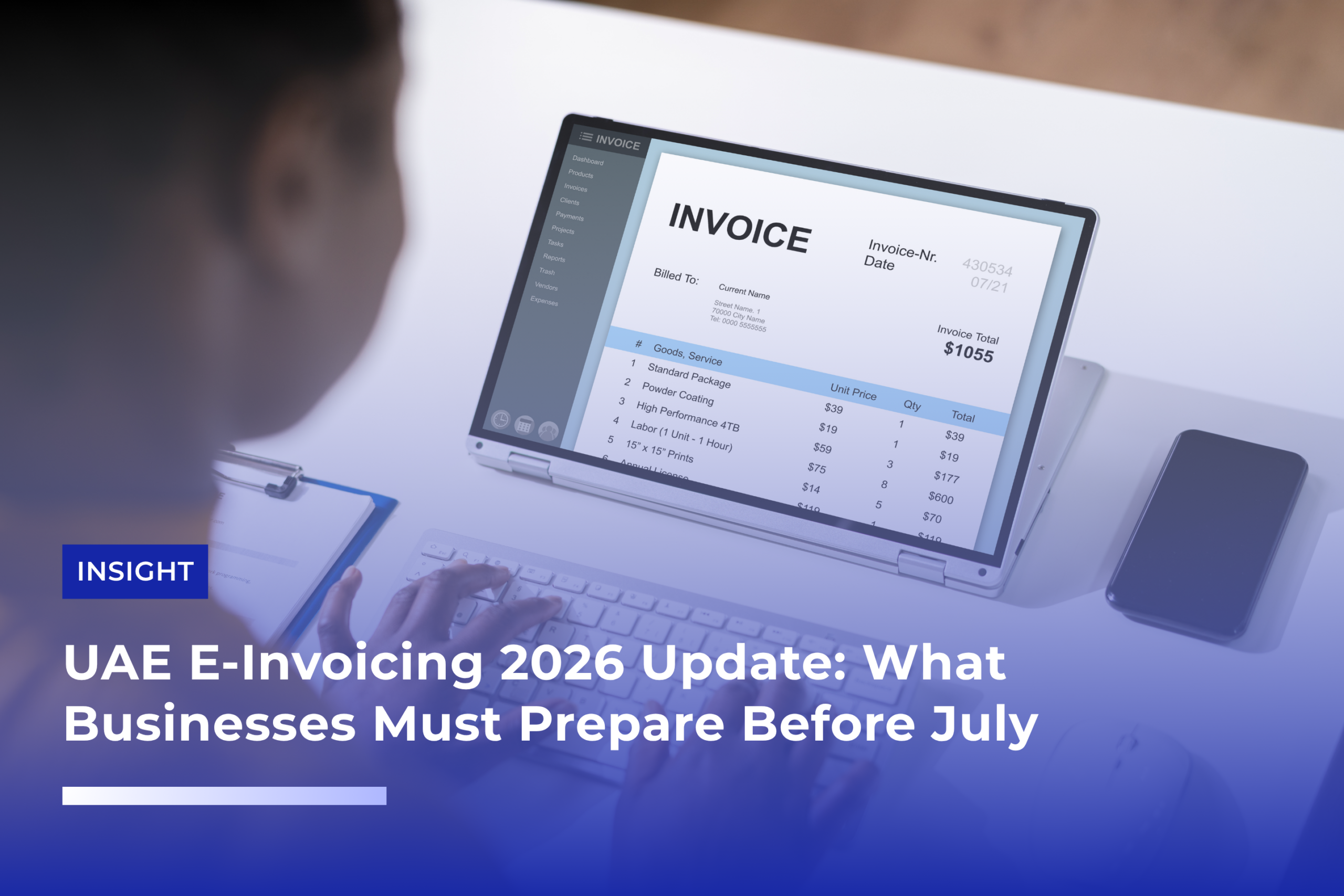
The UAE is accelerating its digital tax transformation with the introduction of mandatory e-invoicing regulations expected to roll out in phases during 2026. Businesses across the country are now preparing for a major operational shift as authorities move toward standardized electronic invoicing systems.
For companies operating in the UAE, this update is more than just a technical adjustment—it directly impacts accounting, taxation, ERP systems, compliance processes, and day-to-day financial operations.
As the July implementation timeline approaches, businesses must understand what e-invoicing means, who will be affected, and how to prepare early to avoid compliance risks and operational disruption.
What Is E-Invoicing in the UAE?
E-invoicing refers to the electronic generation, exchange, validation, and storage of invoices in a structured digital format.
Unlike traditional PDF invoices or manually generated bills, e-invoices are:
- Digitally standardized
- Automatically processed
- Integrated with accounting and tax systems
- Designed for real-time compliance monitoring
The UAE’s e-invoicing initiative aligns with the country’s broader digital economy and tax modernization goals.
Why the UAE Is Introducing E-Invoicing
The UAE government aims to:
- Improve tax transparency
- Reduce fraud and invoice manipulation
- Enhance VAT compliance
- Increase operational efficiency
- Digitize financial reporting systems
The initiative is expected to be closely aligned with international best practices already implemented in countries such as Saudi Arabia and other global markets.
Which Businesses Will Be Affected by UAE E-Invoicing?
The e-invoicing framework is expected to impact a large number of VAT-registered businesses operating in the UAE.
Likely Affected Businesses Include
- SMEs and large corporations
- Retail businesses
- E-commerce companies
- Service providers
- Healthcare providers
- Logistics and manufacturing firms
- Professional service companies
Businesses already registered for VAT should begin preparations immediately.
Key Changes Businesses Must Prepare for Before July 2026
1. Transition from Traditional Invoices to Structured Digital Invoices
Many businesses currently issue invoices through:
- Excel sheets
- PDF templates
- Manual billing systems
Under e-invoicing regulations, invoices will likely need to follow approved structured formats compatible with government systems.
What Businesses Should Do
- Review current invoicing methods
- Upgrade billing software if necessary
- Ensure systems support digital invoice generation
2. ERP & Accounting System Upgrades
Businesses may need to update:
- ERP platforms
- Accounting software
- POS systems
- Financial reporting tools
Systems must be capable of:
- Generating compliant invoices
- Storing invoice data securely
- Integrating with tax reporting systems
Preparation Tips
- Conduct a software compliance assessment
- Speak with ERP providers early
- Test invoice generation workflows
3. VAT Compliance Alignment
E-invoicing will likely strengthen VAT monitoring across the UAE.
Businesses Must Ensure
- VAT registration details are accurate
- Tax invoices contain required fields
- VAT calculations are compliant
- Financial records are updated and organized
Incorrect invoicing may increase audit risks and penalties.
Expected Benefits of UAE E-Invoicing
Although implementation may require adjustments, e-invoicing offers significant long-term benefits.
Faster Invoice Processing
Automation reduces manual work and speeds up transactions.
Improved Accuracy
Minimizes human error in tax calculations and invoice preparation.
Enhanced Compliance
Reduces risks of incorrect VAT reporting.
Better Financial Visibility
Real-time invoice tracking improves business reporting and cash flow management.
Reduced Fraud Risks
Digital verification improves invoice authenticity.
Challenges Businesses May Face During Transition
Technology Readiness
Older accounting systems may not support structured invoicing formats.
Staff Training
Employees may need training on:
- New invoicing procedures
- Compliance standards
- Updated accounting workflows
Integration Costs
Software upgrades and compliance implementation may increase short-term costs.
Data Security Concerns
Businesses must ensure proper cybersecurity and financial data protection.
How UAE Businesses Should Prepare Before July 2026
1. Conduct a Compliance Assessment
Review current invoicing, accounting, and VAT systems.
Key Areas to Review
- Invoice formats
- ERP compatibility
- Data storage systems
- VAT reporting workflows
2. Upgrade Accounting & ERP Systems Early
Avoid last-minute implementation pressure by upgrading systems in advance.
Recommended Actions
- Contact software vendors
- Confirm UAE e-invoicing compatibility
- Schedule testing phases
3. Train Finance & Operations Teams
Staff should understand:
- New invoicing requirements
- VAT implications
- System usage and workflows
Training minimizes operational disruptions during rollout.
4. Organize Documentation & Tax Records
Ensure:
- Financial records are updated
- VAT filings are accurate
- Invoice archives are properly maintained
Strong record management simplifies compliance.
5. Work with Compliance & Tax Experts
Professional consultants can help:
- Assess readiness
- Implement compliant systems
- Reduce compliance risks
- Avoid costly mistakes
Early preparation prevents last-minute operational issues.
Potential Penalties for Non-Compliance
While official penalty structures may evolve, businesses that fail to comply could face:
- Financial penalties
- Increased audit scrutiny
- Delays in tax processing
- Operational restrictions
Preparing early minimizes these risks significantly.
How E-Invoicing Will Transform Business Operations in the UAE
The move toward e-invoicing is expected to modernize how businesses operate financially.
Long-Term Impact
- Faster digital transactions
- Improved tax transparency
- Greater automation
- Reduced administrative workload
- Enhanced government-business integration
Businesses that adapt early may gain operational advantages over competitors.
Industries That Should Prioritize Preparation Immediately
Certain sectors with high invoice volumes should act quickly:
- Retail & e-commerce
- Logistics
- Hospitality
- Healthcare
- Construction
- Professional services
These industries are likely to experience the greatest operational impact.
Conclusion: Early Preparation Will Be the Biggest Advantage
The UAE’s move toward mandatory e-invoicing marks a major shift in business compliance and financial operations. While the transition may require investment in systems and training, it also presents an opportunity for businesses to modernize operations and improve efficiency.
Companies that begin preparing before July 2026 will reduce compliance risks, avoid operational disruption, and position themselves for smoother adaptation to the UAE’s evolving digital economy.
In the coming months, proactive preparation will separate compliant, future-ready businesses from those struggling to catch up.